Post Cycle Therapy (PCT) for Bodybuilding – Complete Guide & Protocols
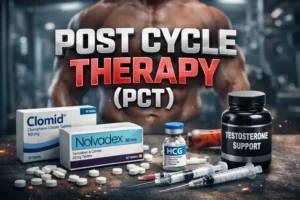
What Is Post Cycle Therapy (PCT)?
Post Cycle Therapy (PCT) is a structured recovery protocol used by bodybuilders and performance athletes after completing an anabolic steroid or SARMs cycle. The primary goal of PCT is to restore natural testosterone production, regulate estrogen levels, protect muscle gains, and stabilize overall hormonal balance.
When someone runs a steroid cycle — whether testosterone, nandrolone, trenbolone, or SARMs — the body suppresses its natural testosterone production. This suppression occurs because the endocrine system detects elevated androgen levels and reduces the output of luteinizing hormone (LH) and follicle-stimulating hormone (FSH) from the pituitary gland.
Without proper PCT, users may experience:
-
Testosterone crash
-
Estrogen rebound
-
Muscle loss
-
Fat gain
-
Mood instability
-
Low libido
-
Fatigue
-
Gynecomastia risk
A properly structured PCT protocol helps reverse suppression and restore endocrine function safely and efficiently.
Why Is PCT Essential After a Steroid Cycle?
Many athletes underestimate how severely anabolic steroids suppress the hypothalamic-pituitary-testicular axis (HPTA). Even mild testosterone-only cycles can significantly reduce endogenous hormone production.
After cycle completion, androgen levels drop rapidly. However, estrogen levels may remain elevated due to aromatization during the cycle. This hormonal imbalance creates a dangerous window where:
-
Cortisol increases
-
Muscle protein breakdown accelerates
-
Fat storage becomes easier
-
Testosterone remains low
Post Cycle Therapy minimizes this hormonal crash and accelerates natural recovery.
How Post Cycle Therapy Works
PCT protocols typically rely on three major categories:
-
SERMs (Selective Estrogen Receptor Modulators)
-
Aromatase Inhibitors (AIs)
-
HCG (Human Chorionic Gonadotropin)
Each plays a unique role in hormonal restoration.
1. SERMs in PCT
SERMs stimulate natural testosterone production by blocking estrogen receptors in the hypothalamus and pituitary gland. This increases LH and FSH release, which signals the testes to resume testosterone production.
Common SERMs Used in PCT:
-
Clomid
-
Nolvadex
Clomid (Clomiphene Citrate)
Clomid increases gonadotropin secretion and stimulates testosterone production. It is widely used for moderate-to-heavy suppression cycles.
Nolvadex (Tamoxifen Citrate)
Nolvadex blocks estrogen receptors in breast tissue, helping prevent gynecomastia while also stimulating LH production.
Many advanced PCT protocols combine both for synergistic recovery.
2. Aromatase Inhibitors (AIs)
Aromatase inhibitors reduce estrogen production by blocking the aromatase enzyme responsible for converting testosterone into estrogen.
Common AIs:
-
Arimidex
-
Aromasin
AIs are typically used when estrogen levels are significantly elevated.
3. HCG in Post Cycle Therapy
Human Chorionic Gonadotropin (HCG) mimics luteinizing hormone (LH) and directly stimulates the testes to produce testosterone.
It is often used:
-
During the cycle (to prevent testicular atrophy)
-
Before starting SERMs in PCT
However, prolonged HCG use during PCT may delay natural LH recovery if misused.
Standard PCT Protocol Example
For Testosterone-Only Cycle (12 Weeks):
Weeks 1–2 after last injection:
-
HCG: 500 IU every other day
Weeks 3–6:
-
Clomid: 50mg daily (2 weeks), then 25mg daily
-
Nolvadex: 40mg daily (2 weeks), then 20mg daily
Adjustments depend on compound strength, cycle duration, and bloodwork.
PCT After SARMs Cycle
Even selective androgen receptor modulators (SARMs) can suppress natural testosterone.
Common SARMs requiring PCT:
-
Ostarine
-
Ligandrol
-
RAD-140
Mild SARMs may require only Nolvadex 20mg for 4 weeks. Stronger suppressive SARMs may require full Clomid/Nolvadex protocols.
Signs You Need PCT
-
Low libido
-
Depression
-
Erectile dysfunction
-
Loss of strength
-
Decreased motivation
-
Rapid fat gain
-
Elevated estrogen symptoms
Bloodwork confirmation is strongly recommended.
Bloodwork & Hormone Monitoring
Before cycle:
-
Total Testosterone
-
Free Testosterone
-
Estradiol
-
LH / FSH
-
SHBG
After cycle:
-
Re-test to assess suppression
-
Adjust PCT length accordingly
Optimized recovery is bloodwork-driven — not guesswork.
Natural Support Supplements During PCT
While SERMs and AIs form the core of recovery, natural supplements can support the process:
-
Zinc
-
Vitamin D3
-
Ashwagandha
-
D-Aspartic Acid
-
Omega-3 fatty acids
These do not replace SERMs but assist endocrine stabilization.
How Long Should PCT Last?
Typical duration: 4–6 weeks
Heavy cycles: up to 8 weeks
Recovery timelines vary depending on:
-
Age
-
Cycle length
-
Compound potency
-
Genetics
-
Previous cycles
Risks of Skipping PCT
Skipping Post Cycle Therapy may lead to:
-
Long-term hypogonadism
-
Permanent suppression
-
Chronic low testosterone
-
Increased cardiovascular risk
-
Severe muscle loss
Proper recovery protects both performance and long-term health.
Best PCT Stack Options
For comprehensive recovery, complete stacks often include:
-
Clomid
-
Nolvadex
-
Aromasin
-
Liver support
Stacking reduces recovery time and protects hard-earned muscle gains.
Frequently Asked Questions (FAQ)
When should I start PCT?
Depends on the ester half-life.
Short esters: 3–5 days after last injection
Long esters: 10–14 days after last injection
Can I run PCT without SERMs?
Recovery may be incomplete. SERMs remain the gold standard.
Is PCT needed after every cycle?
Yes. Even mild cycles suppress natural testosterone.
Final Thoughts on Post Cycle Therapy
Post Cycle Therapy is not optional — it is a critical phase of responsible bodybuilding. Proper hormonal restoration preserves muscle mass, protects mental health, stabilizes estrogen, and supports long-term endocrine function.
A well-designed PCT protocol separates sustainable progress from reckless cycling.