Buy Injectable Testosterone
Injectable testosterone therapy remains one of the most widely prescribed treatments for men diagnosed with clinically low testosterone levels. Because testosterone plays a foundational role in muscle mass, bone density, red blood cell production, mood regulation, and libido, maintaining adequate levels is critical for long-term health.
Although testosterone naturally declines with age, some individuals experience a more significant deficiency, commonly referred to as hypogonadism. In such cases, testosterone replacement therapy (TRT) may be medically recommended.
Importantly, injectable testosterone is classified as a prescription medication in the United States and many other countries. Therefore, therapy should only be initiated and monitored under the supervision of a licensed healthcare provider.
What Is Injectable Testosterone?
Injectable testosterone is a synthetic form of the naturally occurring male hormone testosterone. It is chemically modified with an ester to control how slowly it is released into the bloodstream after injection.
Unlike topical gels or patches, injectable testosterone is administered intramuscularly, typically into the gluteal or thigh muscle. As a result, it provides predictable absorption and steady hormone elevation over time.
How Testosterone Injections Work in the Body
After intramuscular administration, the ester attached to the testosterone molecule gradually breaks down. Consequently, active testosterone is released into circulation over several days or weeks, depending on the ester used.
Once in the bloodstream, testosterone:
-
Binds to androgen receptors
-
Supports protein synthesis
-
Stimulates red blood cell production
-
Influences bone mineral density
-
Regulates mood and energy
Because of this systemic impact, medical supervision is essential to prevent hormonal imbalance.
Types of Injectable Testosterone Esters
Several esters are commonly used in medical TRT protocols:
Testosterone Enanthate
A long-acting ester typically administered every 1–2 weeks.
Testosterone Cypionate
Similar in duration to enanthate and widely prescribed in the United States.
Testosterone Propionate
Shorter acting, requiring more frequent injections.
Testosterone Undecanoate
Very long acting; often administered in extended intervals under clinical supervision.
Each ester differs primarily in half-life and injection frequency, not in the core hormone itself.
Symptoms of Low Testosterone
Low testosterone levels may present with:
-
Persistent fatigue
-
Decreased libido
-
Erectile dysfunction
-
Reduced muscle mass
-
Increased body fat
-
Depressed mood
-
Difficulty concentrating
-
Reduced bone density
However, symptoms alone are not sufficient for diagnosis. Laboratory blood testing is required to confirm deficiency.
Benefits of Injectable Testosterone Therapy
When medically indicated and properly monitored, TRT may support:
-
Increased lean muscle mass
-
Improved bone mineral density
-
Enhanced mood stability
-
Increased energy levels
-
Improved libido
-
Support for metabolic health
That said, results vary between individuals. Therefore, ongoing monitoring remains crucial.
Risks and Potential Side Effects
Like any hormone therapy, injectable testosterone carries potential risks:
-
Elevated red blood cell count
-
Increased hematocrit
-
Fluid retention
-
Acne
-
Mood fluctuations
-
Fertility suppression
-
Testicular atrophy
-
Possible cardiovascular concerns
Because of these risks, physicians typically require regular blood work.
Injectable Testosterone vs Topical Gels
Although both methods deliver testosterone, they differ in several ways:
Injectables:
-
Less risk of transfer to others
-
Longer dosing intervals
-
More stable peak levels
Topical Gels:
-
Daily application
-
Risk of skin-to-skin transfer
-
Variable absorption rates
Ultimately, treatment choice depends on medical evaluation and patient preference.
Monitoring Requirements for TRT
Standard monitoring often includes:
-
Total testosterone levels
-
Free testosterone
-
Estradiol
-
Hematocrit
-
Lipid panel
-
Liver function tests
-
PSA (prostate-specific antigen)
These tests are typically conducted every 3–6 months during therapy.
Legal Status in the United States
In the U.S., testosterone is classified as a Schedule III controlled substance. Therefore:
-
A prescription is required.
-
Distribution without prescription is illegal.
-
Purchase without medical authorization may violate federal law.
- Domestic-Supply is here to bridge the gap.
Similarly, many countries including Canada, the UK, and Australia regulate testosterone under prescription-only frameworks. Again, we are here to bridge that gap.
Frequently Asked Questions
Is injectable testosterone safe?
When prescribed and monitored by a physician, TRT can be safe and effective for diagnosed hypogonadism.
How quickly does testosterone injection work?
Some individuals notice changes in energy and libido within weeks, while muscle and body composition changes may take longer.
Can testosterone therapy increase muscle mass?
In medically deficient individuals, restoring normal levels may support lean mass retention.
Final Considerations
Injectable testosterone therapy remains one of the most effective medical treatments for clinically diagnosed testosterone deficiency. However, it is not a casual enhancement tool. Because hormonal balance affects nearly every system in the body, responsible medical oversight is essential.
Individuals considering TRT should consult licensed healthcare professionals, undergo proper laboratory testing, and maintain consistent follow-up evaluations.
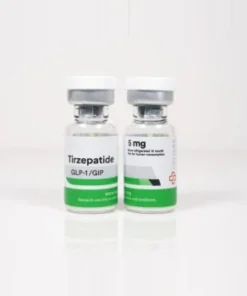
Peptides
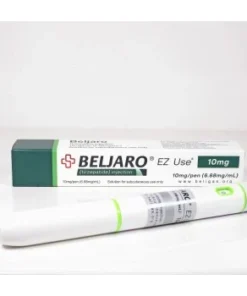
Peptides
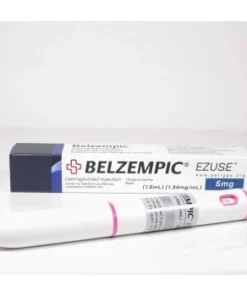
Semaglutide (Ozempic)

Peptides
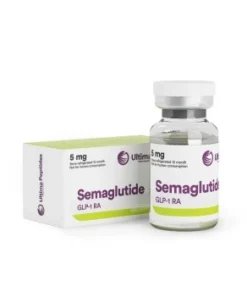
Semaglutide (Ozempic)

Semaglutide (Ozempic)
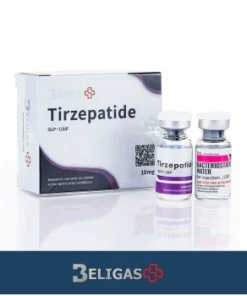
Peptides
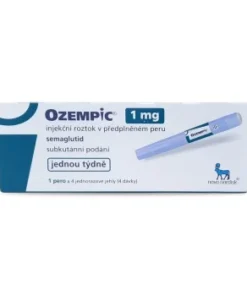
Semaglutide (Ozempic)
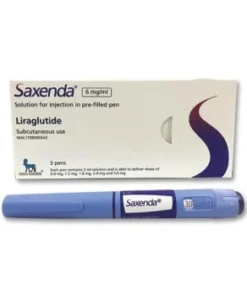
Semaglutide (Ozempic)
Saxenda 3 Pre-filled Pens (Liraglutide 18mg/3ml) | Weight Management Kit
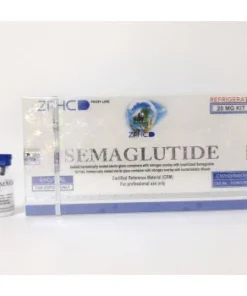
Injectables

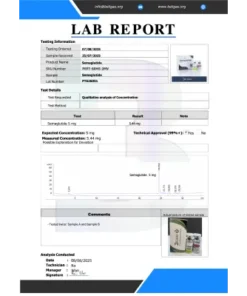
Semaglutide (Ozempic)
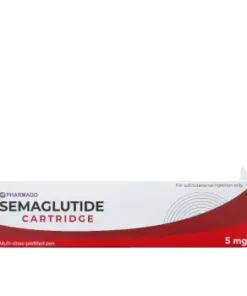
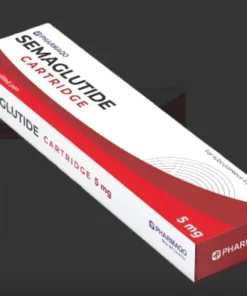
Semaglutide (Ozempic)
Semaglutide 5mg Multi-Dose Prefilled Cartridge (Ozempic Generic)